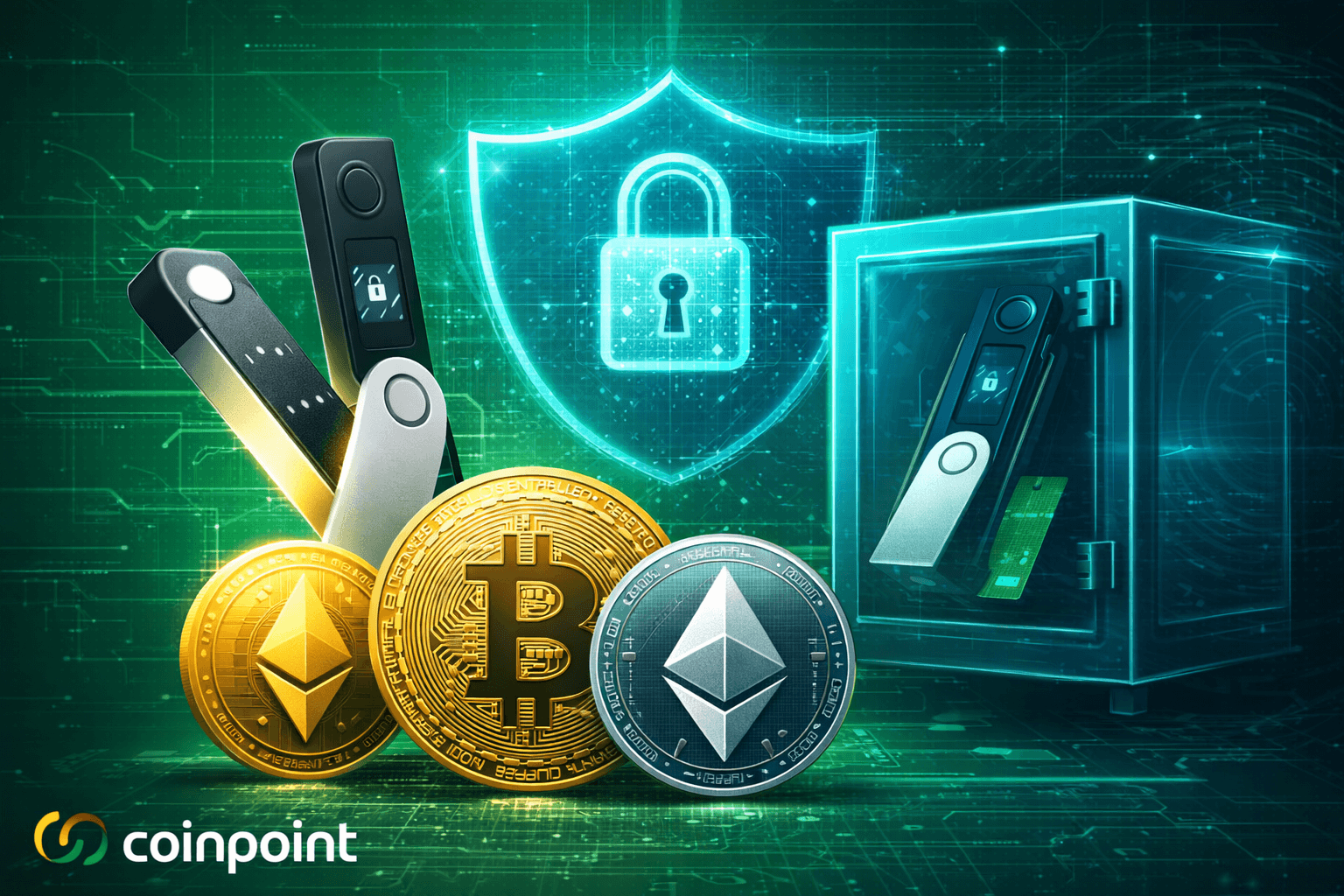
Security remains the main concern for any cryptocurrency investor. Storing assets on exchanges is associated with risks, which is why many users choose cold wallets for cryptocurrencies. They allow private keys to be kept offline and minimise the likelihood of hacking. This is especially relevant if you purchase assets through a crypto exchange service or use crypto exchange, and then want to store your funds securely.
What is a cold wallet and why is it needed
Many beginners are interested in what a cold wallet is and how it differs from typical mobile and exchange-based solutions. Simply put, a cold wallet is a way of storing cryptocurrency in which private keys are not constantly connected to the network. As a result, malicious actors cannot gain remote access to them through a virus, phishing website, or account breach.
In essence, cold wallets are tools for offline asset storage. They are particularly relevant for those who hold coins for the medium and long term rather than making dozens of transactions per day. If you buy Bitcoin, Ethereum, or stablecoins as an investment rather than for constant trading, a cold crypto wallet usually appears to be a more reasonable solution than storing funds on an exchange.
How a cold wallet works
It is important to understand how a cold wallet works in order to use it correctly. The private key is stored within a device or on a medium and is never transmitted to the internet.
When a user wants to send funds, the transaction is signed within the device. Thanks to this, a cold crypto wallet is a reliable method of protection even when using an unsecured computer.
Main types of cold wallets
There are several formats of cold storage:
- hardware devices;
- paper wallets;
- air-gapped solutions without direct connection to the network;
- specialised offline media for storing the seed phrase.
In practice, the term hardware crypto wallet most often refers to devices such as Ledger, Trezor, SafePal, or Keystone. These are considered the most convenient and secure compromise between protection and ease of use.
Best cold wallets
If we consider the best cold wallets, several proven solutions stand out on the market:
Ledger
A popular option with wide cryptocurrency support. It is often regarded as the best cold wallet for most users.
Trezor
A convenient and secure wallet with open-source code. It is included in any top list of cold wallets due to its reliability.
SafePal
A more affordable solution with support for DeFi and NFT. A good choice for those looking for a balance between price and functionality.
Which cold wallet to choose
The question of which cold wallet to choose depends on your needs. It is important to consider:
- supported cryptocurrencies;
- level of security;
- interface usability;
- cost of the device.
If you store only BTC, you can choose a specialised cold Bitcoin wallet. For multiple assets, a universal solution is more suitable.
Advantages and disadvantages
The main advantage is security. A cold Bitcoin wallet and other assets protects funds from remote hacking and provides full control over the keys.
However, there are also disadvantages: the need to purchase a device, responsibility for storing the seed phrase, and less convenient usage compared to hot wallets.
FAQ
What is a cold crypto wallet in simple terms?
It is a device or method of storing cryptocurrency offline, without constant connection to the internet.
Are cold wallets suitable for all cryptocurrencies?
Most modern solutions support various assets, but this depends on the specific device.
Which cold wallet is best for beginners?
Most often, Ledger or Trezor are chosen as they are easy to use and reliable.
Is it possible to store only Bitcoin?
Yes, there are solutions focused specifically on BTC — this is a cold Bitcoin wallet.
How secure are cold wallets?
This is one of the most secure storage methods, provided that the seed phrase is stored properly and not shared with third parties.